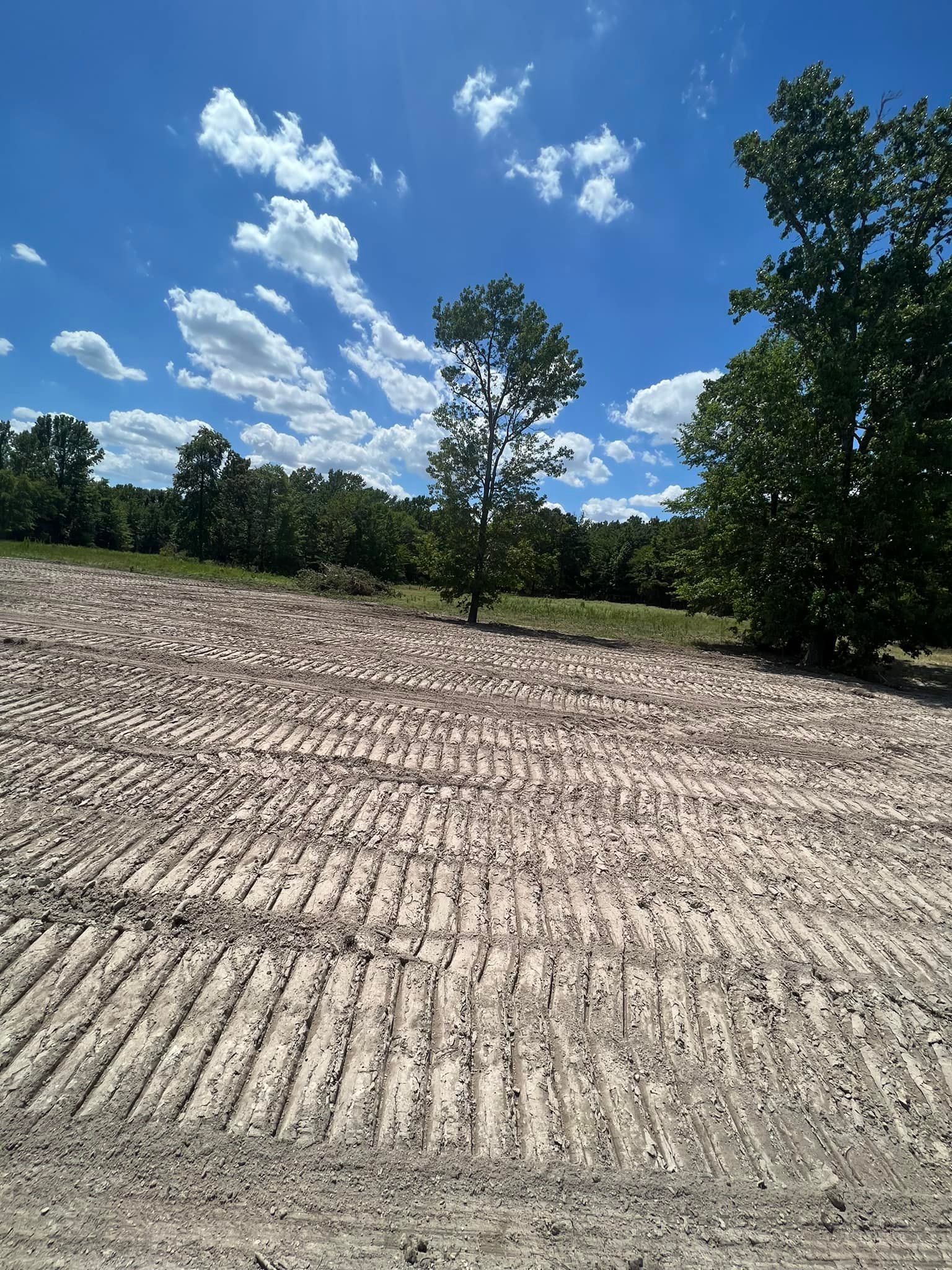
Safety Protocols and Best Practices in Modern Excavation Projects Jan 05, 2026
Excavation projects are characterized by their complexity and potential hazards. They involve the movement of earth, rock, and materials, often within environments that present their own set of challenges. Consequently, safety must be the top priority. For any excavation project, adhering to safety protocols begins with comprehensive planning. This involves conducting a thorough risk assessment, which identifies potential hazards such as underground utilities, soil instability, and weather conditions. By identifying these risks early on, project managers can devise strategies to mitigate them, ensuring a smoother workflow and minimizing the risk of accidents.
A key component of modern excavation safety is the implementation of advanced technology. Utilizing equipment like GPS and laser-guided machinery not only improves precision but also reduces the reliance on manual labor in hazardous situations. These technologies are pivotal in creating safer work environments, as they allow operators to control equipment from a safe distance, reducing the likelihood of injury.
Training and expertise play an indispensable role in executing a safe excavation project. At CR Services, we emphasize the importance of regular training programs for all personnel involved in excavation activities. These sessions cover the latest safety protocols and encourage a culture of safety awareness. Workers are trained to recognize potential threats and respond accordingly, improving on-site safety.
Moreover, clear communication on-site is paramount. Establishing a well-defined communication channel ensures that everyone is aware of their responsibilities and can alert superiors to any safety concerns or incidents immediately. The establishment of daily safety meetings, sometimes referred to as toolbox talks, where workers gather to discuss safety topics, fosters a proactive approach to on-site safety management.
The personal protective equipment (PPE) is another critical factor that cannot be overlooked. Helmets, high-visibility vests, gloves, and safety boots are essential in protecting individuals from injury. At CR Services, the enforcement of PPE usage is non-negotiable. These protective measures drastically reduce incidents related to falling debris, slips, or contact with hazardous substances.
Lastly, regular inspections and maintenance of equipment are vital for preventing malfunctions that could lead to accidents. Ensuring machinery is in optimal condition mitigates risks associated with mechanical failures. Routine checks can identify potential issues before they escalate, ensuring that the machinery operates effectively throughout the project duration.
In conclusion, safety protocols and best practices in modern excavation projects are not just procedural requirements—they are essential elements that protect workers and streamline operations. As the industry continues to advance, companies like CR Services remain committed to pioneering cutting-edge safety measures and protocols. By prioritizing planning, leveraging technology, emphasizing training, fostering communication, enforcing PPE usage, and maintaining equipment, excavation projects can be conducted safely and efficiently. For those embarking on excavation ventures, incorporating these practices not only enhances safety but also paves the way for successful project outcomes.
/filters:no_upscale()/filters:format(webp)/media/f04f3f2f-2e2a-42d4-8e91-18a644101e4c.jpeg)